1. Photos and notes
If it is safe, the owner takes photos from a distance for insurance or a lease dispute. The crew adds notes of its own.
Garland, TX · Dallas County
Worried about what a few pipes and baggies might have left on the floors and furniture? Call (877) 812-4220 in Garland. Cleanup crews remove the items and treat surfaces where residue may remain.
If anyone is in danger, call 911 first. For a suicide crisis, call or text 988.
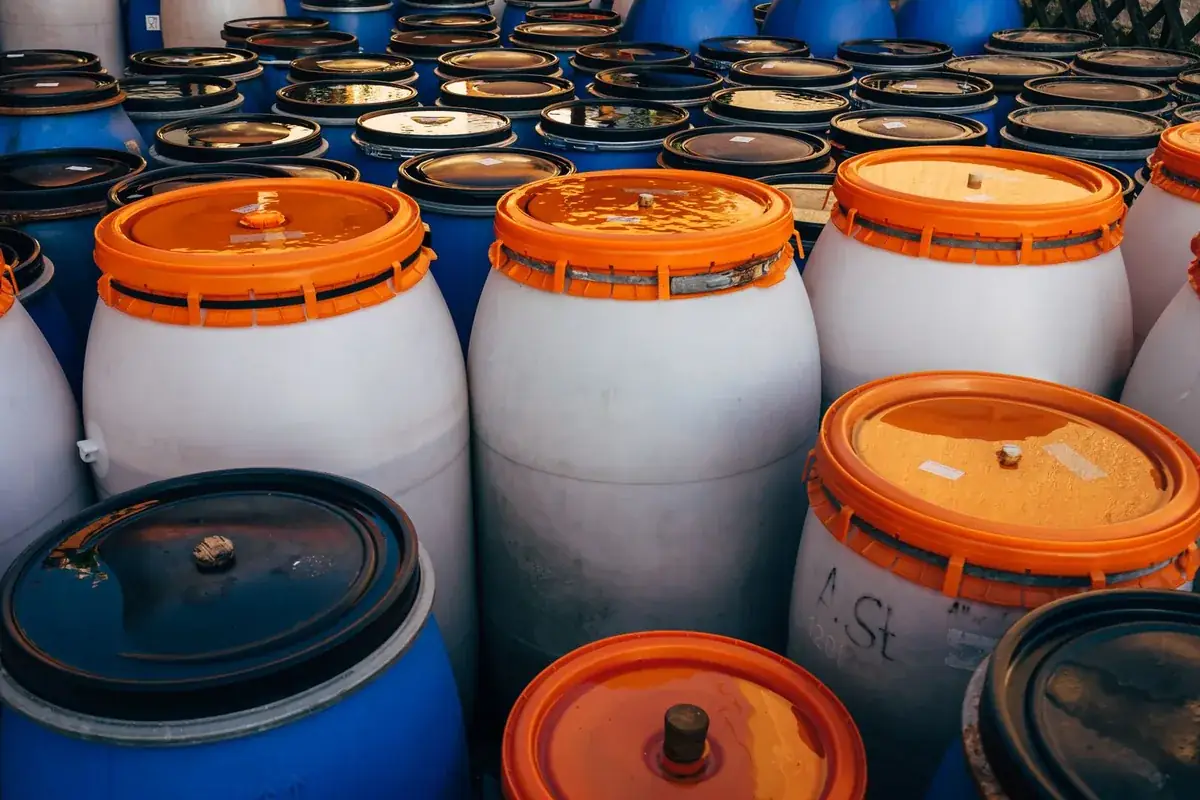
A drug paraphernalia sweep is a careful search of a home, room, vehicle or building for syringes and related items, including ones hidden in drawers, vents and seams of furniture.
You can get drug paraphernalia cleanup in Garland and throughout Dallas County by calling Garland Biohazard Cleanup Help. Cleanup technicians follow the OSHA Bloodborne Pathogens Standard, 29 CFR 1910.1030, when sharps are involved.
The vacancy rate in Garland is only about 5%, so most paraphernalia calls come from occupied homes, rentals and businesses. Local rules for drug residue vary by place. The Dallas County Health and Human Services can confirm what applies in Dallas County for homes, rentals and businesses.
The work often covers:
If it is safe, the owner takes photos from a distance for insurance or a lease dispute. The crew adds notes of its own.
Crews put on gloves, eye protection and respirators when needed, then search every room for sharps and other items.
Paraphernalia goes into sealed containers, and hard surfaces are cleaned with EPA-registered products.
The space is checked once more, and the crew answers questions before leaving.
The cost of drug paraphernalia cleanup in Garland, TX depends on the amount of material, how it is packed and how it is hauled.
The number of rooms affected is a major factor. One bedroom needs less time than a whole house or a large rental unit.
| Type of job | Typical range |
|---|
Figures are planning ranges from , not a price for any specific Garland property. Price drivers include amount of material, whether residue is present, surfaces affected, waste disposal. Call (877) 812-4220 any hour.
A careful cleanup removes the items and cleans the surfaces it covers. Testing is a separate step, and rules vary by place. Ask the team what it did and did not check, and ask the local health department what applies where you live.
Some residues can harm people who touch them, and you cannot tell by looking which ones. That is why gloves are not a substitute for professional cleanup. If skin touches something unknown, wash with soap and water and call Poison Control.
Vehicles can hold syringes, residue and odor in seats, carpets and vents. Ask whether the team cleans vehicles and how soft materials are treated. Crews use the same protective gear and sealed containers as in a building.
No. A good team asks only what it needs to plan the work, and you decide what to share. If privacy matters, ask about discreet, unmarked arrival when you call. Teams differ, so ask how the call and the visit are handled.
A single room can be cleared quickly, while a house with hidden items, soiled carpet and odor takes longer. The time depends on the amount of material and access. A team can give a realistic idea after hearing the details.
It can be. Used syringes and other sharps can carry bloodborne germs, and residue can harm people who touch or swallow it. A cleanup team can look at what is there and explain how it should be handled. Do not touch it until then.
Crews work without judgment and focus on making the space safe.
Call (877) 812-4220